• Post-conflict market recovery after the U.S.–Iran ceasefire and MOU
• RVP Waiver & Transition Outlook
• Hurricane Season Outlook
• Navigating Summer Fuel Demand
• AI Implications of Retail Fuel Stations
Post-conflict Market Recovery After the U.S.–Iran Ceasefire and MOU
- Global markets shift from disruption to rebalancing as crude exports resume and supply chains gradually normalize following the U.S.-Iran ceasefire and MOU
- PADD 1 expected to benefit first, with improving import availability easing supply tightness, while PADD 2 sees a more gradual impact driven by domestic refinery operations and Gulf Coast logistics
Following the ceasefire and MOU between the U.S. and Iran, market sentiment has shifted from pricing in geopolitical risk toward evaluating the pace of reopening and the normalization of global crude and refined product flows. While exports are expected to recover, inventories remain below pre-conflict levels, and a full market rebalance will likely take several months.
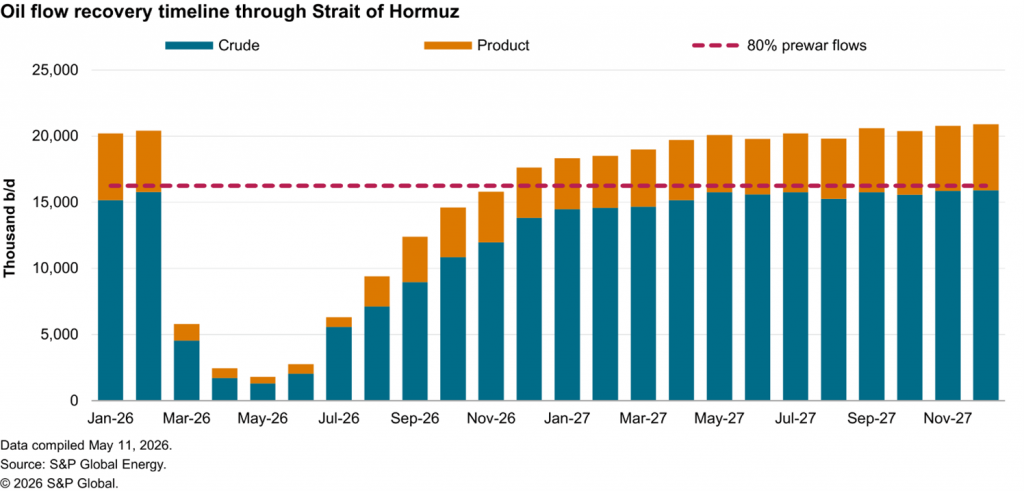
For PADD 1, improving Atlantic Basin supply and increased imports should gradually ease supply tightness and reduce wholesale price volatility. PADD 2 is expected to experience a slower impact, as pricing will continue to be influenced primarily by domestic refinery utilization, Gulf Coast production, and pipeline logistics. Although the immediate supply threat has diminished, the market remains sensitive to geopolitical developments, OPEC+ production decisions, and hurricane season, all of which could influence pricing and regional supply balances throughout the remainder of the summer.
RVP Waiver & Transition Outlook
- EPA’s emergency RVP waiver has provided temporary flexibility, but the industry is now focused on the timing of its expiration and any additional regulatory action.
- A staggered transition back to standard fuel specifications could create logistical challenges as terminals, pipelines, and refiners prepare for the September 15 RVP season change.
The EPA’s emergency RVP waiver has helped maintain gasoline supply flexibility during a period of elevated market uncertainty. As the waiver approaches the end of its 20-day implementation window, market participants will be closely watching whether additional action is taken before the transition back to standard fuel specifications. The timing of any decision will influence terminal planning, refinery production, and product movement across the supply chain.
Looking ahead, the end of the summer RVP season on September 15 presents an additional operational challenge. Terminals will need to efficiently turn tanks from waiver-compliant products to fall-grade gasoline while managing inventory already in the system. The transition may be further complicated by differences in pipeline policies, as some systems—including the Midwest Magellan/ONEOK network—accepted the waiver while others, such as Colonial, continued operating under standard specifications. These differing approaches could create localized supply and blending challenges as the market returns to normal seasonal operations.
Hurricane Season Outlook
- A below-average hurricane season is forecast, but Gulf Coast energy infrastructure remains exposed to disruption from even a single major storm.
- Seasonal forecasts have varied in accuracy in recent years, underscoring the uncertainty that remains despite lower projected storm activity.
Forecasts call for a below-average Atlantic hurricane season, with fewer named storms and major hurricanes than historical averages. While expectations have moderated, recent years have shown that preseason outlooks are not always reliable, and actual storm activity can differ significantly from early projections. As a result, energy markets continue to prepare for a wide range of outcomes.
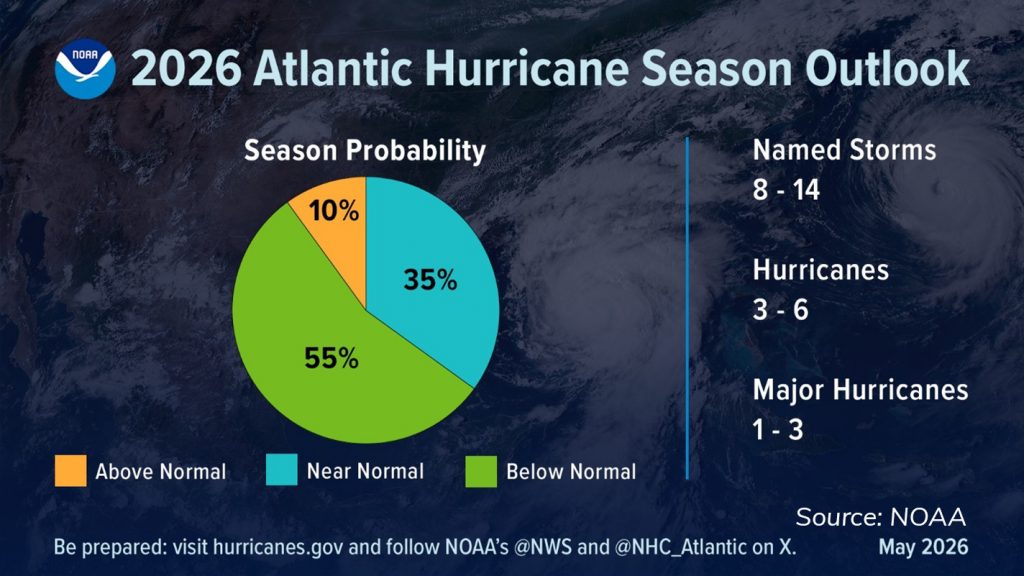
For the fuel industry, the primary concern remains storm impacts to Gulf Coast refining, pipeline operations, and marine logistics rather than the total number of storms. With the most active portion of hurricane season still ahead, even a single landfall in a key energy corridor could influence regional supply balances and wholesale pricing across PADD 1 and PADD 2.
Navigating Summer Fuel Demand
- Summer fuel demand has remained resilient, though growth has moderated compared to the strong post-pandemic driving seasons.
- Retail fuel prices across Pennsylvania, Ohio, and New Jersey continue to track above the national average, with regional taxes and supply dynamics driving price differences.
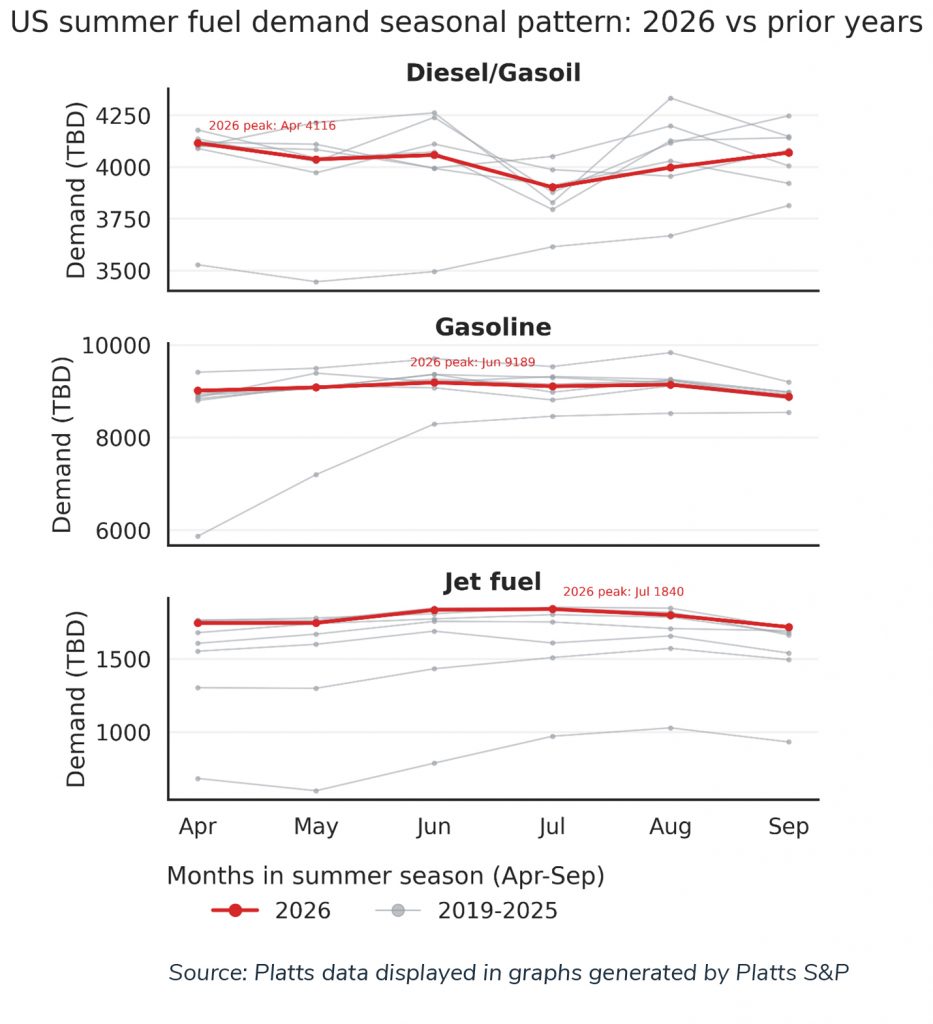
The 2026 summer driving season has produced steady gasoline demand, though growth has been more measured than in recent years as consumers continue to balance travel with higher overall living costs. National gasoline consumption has remained consistent with seasonal expectations, supporting refinery utilization and helping maintain strong product movement during peak travel months.
While the national average gasoline price has remained relatively stable, regional markets continue to reflect local supply and tax structures. Pennsylvania and California remain among the nation’s highest-priced markets, while Ohio has generally tracked near the national average and New Jersey has maintained a modest premium. With the busiest travel weeks still ahead, sustained demand is expected to support gasoline fundamentals through the remainder of the summer.
AI in Retail Fuel Pricing
AI has become an increasing focus in the retail fuel industry following lawsuits filed in California alleging that certain fuel retailers used AI-driven pricing software to coordinate pricing decisions and reduce competition. While the allegations remain before the courts, the cases have drawn attention from regulators and market participants, raising broader questions about transparency, pricing practices, and the growing role of algorithmic decision-making in retail fuel markets.
Outside of California, the implications are less certain. Many retail markets remain highly competitive and geographically diverse, limiting the potential for uniform pricing behavior. However, the increased use of AI-driven pricing platforms is likely to attract greater regulatory scrutiny across the country, particularly as retailers continue adopting technology to optimize margins, respond to market conditions, and manage increasingly dynamic pricing environments.
Sources:
- Energy Information Administration (EIA)
- Trading Economics
- GasBuddy
- Fox Business
- NOAA
- S&P Platts